Our Services

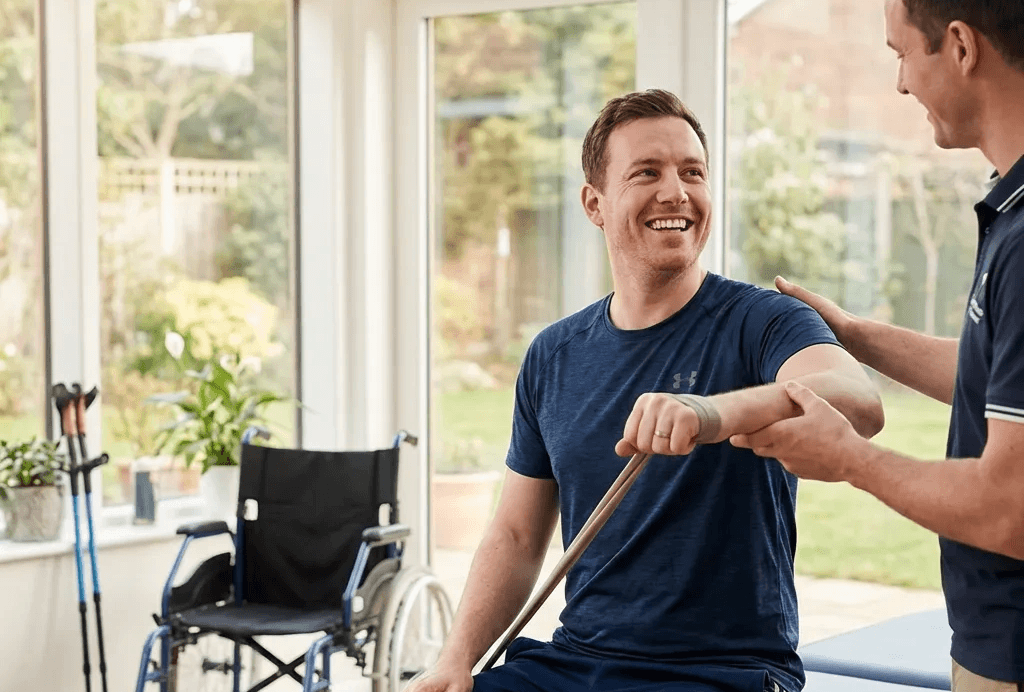
Acquired Brain Injury
-
We provide support for a wide range of conditions,
including ischemic stroke, intracerebral hemorrhage,
tumors, neurological disorders (such as Multiple
Sclerosis (MS), Motor Neuron Disease (MND),
Parkinson's, Huntington's, and Chronic Traumatic
Encephalopathy (CTE)), as well as hypoxic and
traumatic injuries.
-
We specialize in managing brain injury
complications, including pain, spasticity, urinary
incontinence, emotional and mood changes, and
cognitive impairments.
-
We provide further support for individuals looking
to return to work and driving.

Spasticity Management
-
Injury to the brain or spinal cord can lead to
muscle tightness and stiffness, resulting in pain,
joint deformities, and functional impairments to
daily activities like dressing and bathing.
-
There are various approaches to managing spasticity,
including exercise, targeted therapy, splinting and
orthotics, as well as medications and injections.
-
At Northern Rivers NeuroRehab, we specialize in
treating spasticity with ultrasound-guided botulinum
toxin injections.
-
We will evaluate your specific condition and work
with you to develop the most effective treatment
plan to achieve best results.

Sialorrhea and Bruxism Management
-
Sialorrhea (hypersalivation) is excessive saliva
from increased production or decreased clearance,
causing drooling and difficulty managing saliva.
-
It most commonly results from neurological
conditions impairing swallowing muscles (such as
Parkinson's disease, cerebral palsy, stroke,
traumatic brain injury, multiple sclerosis and motor
neuron disease).
-
Treatment depends on the underlying cause, severity,
and impact on quality of life, and may include
speech and swallow therapy, medication, botulinum
toxin injections, radiotherapy, and surgery.
-
We also treat bruxism - excessive teeth grinding or
jaw clenching, often occurring during sleep - which
can cause tooth wear, jaw pain, and headaches.
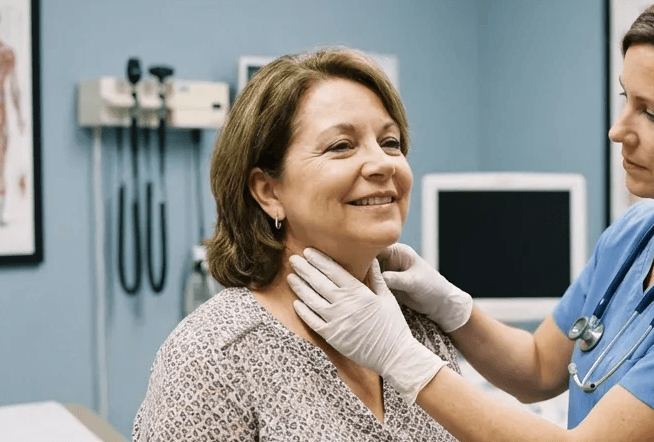
Cervical Dystonia
-
Cervical dystonia is a neurological disorder causing
involuntary neck muscle contractions, abnormal head
postures, and neck pain. It may be idiopathic or
secondary to injury, stroke, or infection.
-
Cervical dystonia can lead to significant functional
limitations, making daily activities such as
driving, reading, and social interaction difficult.
Many individuals also experience secondary issues
including pain, headaches, tremor, and postural
abnormalities.
-
Botulinum toxin is the first-line treatment and can
provide significant improvement in posturing and
pain relief.